In the healthcare sector, patient experience has become a crucial indicator of care quality and a determining factor for the reputation of healthcare facilities.
With technological advances and growing patient expectations, methods for measuring patient experience are evolving rapidly. This article examines current trends and explains how our software adapts to the changing needs of the healthcare sector.
Current trends in patient experience measurement
Real-time data collection
Real-time data collection is a major trend. Patients can now provide feedback immediately after a consultation or procedure via digital surveys.
This data allows healthcare facilities to respond quickly to issues and implement immediate improvements, leading to better patient satisfaction.
Use of artificial intelligence (AI) and machine learning
AI and machine learning play an increasingly important role in analyzing patient experience data. These technologies enable processing large amounts of data and identifying trends and patterns.
AI also helps personalize patient interactions based on their preferences and medical history, thus improving the overall experience.
Omnichannel engagement
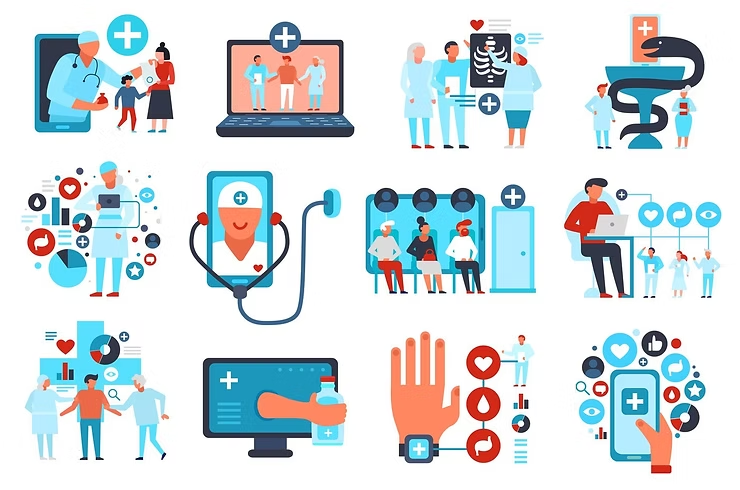
Patients interact with healthcare facilities through various channels — websites, mobile applications, social media and phone calls. The current trend is to measure patient experience across all these channels consistently.
Omnichannel solutions provide a complete view of the patient journey and ensure that each touchpoint contributes positively to the overall experience.
Structured and unstructured feedback
Healthcare facilities collect structured data through surveys and unstructured data from sources such as social media comments.
Analysis of this unstructured data offers valuable insights into patient sentiments and perceptions, helping facilities understand the emotional aspects of experience — often overlooked in traditional surveys.
Patient-centered approach
The patient-centered approach focuses on the individual needs and preferences of each person. Healthcare facilities are adopting strategies to personalize care and services, including improved communication, reduced wait times and creating a more welcoming and comfortable care environment.
How does our software adapt to the changing needs of the healthcare sector?
Real-time data collection
MONEXPE facilitates real-time data collection. Through digital surveys accessible via smartphones, tablets and computers, patients can provide immediate feedback. This information is instantly available to administrators, enabling quick and effective response to patient concerns.
Artificial intelligence and machine learning
Our algorithms detect trends, identify areas for improvement and predict future patient needs. This allows healthcare facilities to personalize care and make decisions based on concrete data, thus improving the quality of services provided.
Omnichannel engagement
The solution supports omnichannel engagement, allowing healthcare facilities to collect and analyze feedback from multiple channels — mobile applications, websites, emails or social media. This facilitates the delivery of personalized care, specifically addressing the individual needs of each patient.
Conclusion
In an ever-evolving healthcare sector, measuring patient experience is becoming increasingly sophisticated. Current trends show a strong focus on real-time data collection, use of AI, omnichannel engagement, and analysis of structured and unstructured feedback.
Take care of your patients, and they will take care of you!
Contact us today or write to us at infos@monexpe.com to discover how we can transform your patient relationship into a strategic asset!